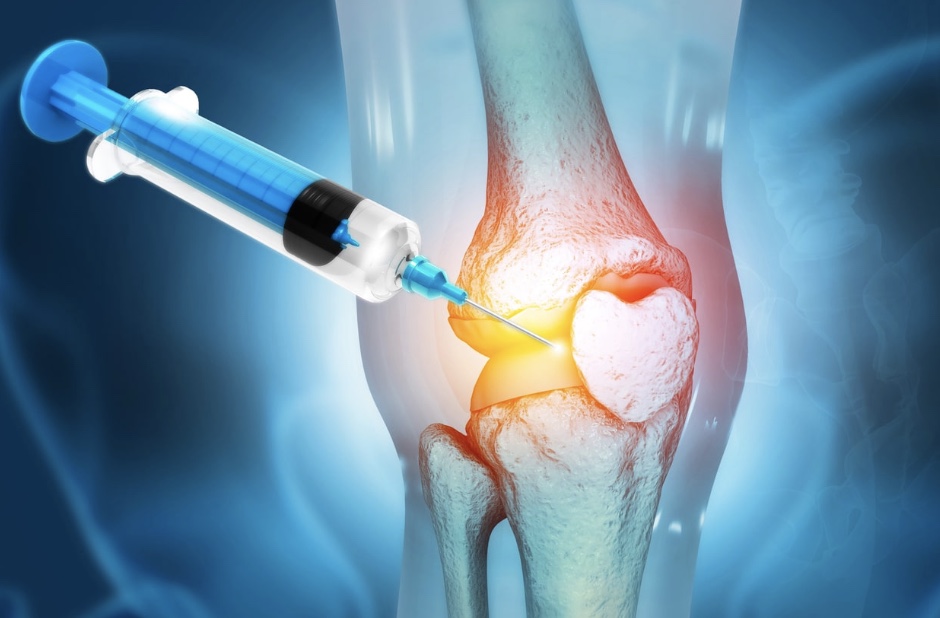
Probably the most requested treatment in my clinic is a “cortisone shot,” and it is a testament to the power of marketing that this term is still used. Cortisone is a form of medication called a “corticosteroid,” the most injected substance for relief of pain and swelling from degenerative joint diseases.
Like NSAIDs and acetaminophen, corticosteroids are modern medical miracles whose story deserves to be told at bedtime. In the 1920s, a group of Mayo Clinic researchers led by Philip Hench were up to their elbows in rheumatoid arthritis work. Rheumatism is an ancient disease affecting joints and other tissues causing suffering, pain, and disfiguration, and Hench’s team was trying hard to find a treatment.
Recognizing rheumatism was relieved during jaundice and pregnancy, they spent the next decade trying to unlock its secrets. Methodical experimentation pointed them toward the adrenal cortex as the source of relief, and they administered samples of adrenal extracts to see if they improved symptoms. Instead of focusing on adrenaline (i.e. epinephrine) as Sherlock Holmes does in the movie Game of Shadows, they found adrenal cortex fluid (which they termed “Compound E”) improved pain and function in rheumatic patients. This substance was eventually christened “cortisol,” and they were awarded the 1950 Nobel Prize for its discovery. Dr. Hench declared, “Within every rheumatoid patient corrective forces lie dormant, awaiting proper stimulation.”
Three years later, Dr. Joseph Hollander published studies detailing injection of hydrocortisone (which Dr. Hench had termed “Compound F”) into joints with great improvements in pain and suffering. He waxed Churchillian in his praise of the medicine: “…no other form of treatment has given such consistent local symptomatic relief in so many for so long with so few harmful effects.” Hydrocortisone injections rapidly became popular treatments for joint pain.
How Does Corticosteroid Work?
Corticosteroids are powerful, dynamic chemicals, decreasing inflammatory messengers in tissue, changing inflammatory cell gene function, and tamping down pain protein production. Their effects are felt in multiple conditions, including osteoarthritis, rheumatoid arthritis, gout, muscle strain, and tendinitis. They also have effects on numerous body systems, increasing blood sugar, downregulating the immune system, and potentially elevating blood pressure. Like so many medications, they have a dark side that should be respected.
Potential Side Effects
Amid the celebration surrounding corticosteroids’ effectiveness, some scientists were growling, as Jack Black does in the film Nacho Libre, “Let’s get down to the nitty gritty.” What effect did steroid have on joints?
It should be noted when Dr. Hench was first experimenting on his compounds, doctors injected joints frequently, sometimes as often as only a few weeks apart. Shortly after Dr. Hollander’s glowing publication, British physician Geoffrey Chandler published a series of twenty-five knee radiographs showing notable thinning of the joint space between the time of diagnosis and follow-up after multiple injections. Dr. Chandler reasoned the steroid had worked too well, stating, “Interference with the normal protective processes natural to inflammatory disease encourages a degree of weightbearing and mobility which is inherently traumatic.” In other words, the steroid made people feel so good after their injections, they over-exercised and damaged the joint.
Research since has produced evidence that steroids may directly harm cartilage, although it is unclear if the effect is short-lived or permanent. Other potential side effects include osteonecrosis (death of bone cells due to interruption of blood flow) and skin whitening or loss of fat cells at the injection site.
From these studies springs a dichotomy that haunts doctors to this day. Do steroid injections decrease pain? Absolutely. They are remarkably reliable and consistent in their efficacy. People can expect pain relief in 1-2 weeks that lasts 6-12 weeks. However, it is unknown how many steroid injections one can have before the medicine negatively impacts cartilage and other tissues.
In general, bone and joint specialists counsel patients to wait at least three months after a joint injection before they can have another; for soft tissues, such as tendons and muscles, it is probably closer to six months. Research in recent years has called even this timeline into question. Also, there has been increasing consternation about using steroid for soft tissue inflammation such as tendonitis, with many physicians avoiding injections into the Achilles or patellar (kneecap) tendons for fear of causing tears. In addition, other treatments on the horizon (which we will discuss within this blog) may provide better pain relief and function with less risk.
The Practical Role of Corticosteroids
How do I perceive steroid injection? It is a tool. When you think of your toolbox, every piece has a specific purpose. You could use a crescent wrench to change your bike tire, but a socket wrench would probably work better. Likewise, for a person with early knee arthritis who is looking for long-term relief, steroid may not be the best answer. I would worry about short-lived improvement, the need for repeat injections, and potential risk for cartilage damage. I would prefer to use physical therapy, an anti-inflammatory medication, or a different injection like hyaluronic acid or platelet-rich plasma.
However, if a person has advanced arthritis but is not ready for surgery, a steroid injection can be supremely helpful. Planning to wait until the winter to have your hip replaced? Steroid is a great option for pain relief until then. Leaving in a month for that once-in-a-lifetime vacation and need a pain boost? Steroid works perfectly. It can serve as a bridge through painful activities to help you accomplish what is needed.
What will become of steroid injections in the future? That question may be decided by health insurance companies. Currently, the most approved injection therapy remains corticosteroid, with hyaluronic acid a distant second. For many of us concerned about finances, treatments are limited to what is covered by insurance. ‘Cuz let’s face it: healthcare is expensive.
In summary, corticosteroid injections are a valuable resource. They are inexpensive to manufacture, predictably effective, and minimally invasive. They can be performed in the clinic with just a little training. Occasional steroid injections likely carry little risk, but we should be aware of the potential consequences and stay mindful of other options.
References:
- Duarte-Monteiro AM, Dourado E, Fonseca JE, Saraiva F. Safety of intra-articular glucocorticoid injections – state of the art. ARP Rheumatol. 2023 Jan-Mar;2(1):64-73.
- Chandler GN, Wright V. Deleterious effects of intra-articular hydrocortisone. Lancet. 1958;2:661-3.
- Raynauld JP, Buckland-Wright C, Ward R, Choquette D, Haraoui B, Martel-Pelletier J, Uthman I, Khy V, Tremblay JL, Bertrand C, Pelletier JP. Safety and efficacy of long-term intraarticular steroid injections in osteoarthritis of the knee: a randomized, double-blind, placebo-controlled trial. Arthritis Rheum. 2003 Feb;48(2):370-7.







Leave a Reply