
Many patients report their goal for treatment is to be “pain-free.” Huge amounts of money and effort have been spent to create a painless state, and the search will continue for the therapy to end all suffering.
Perhaps someday we will get there, and I fault no one for striving to reach their optimal function and comfort. However, I would like to present a perspective for consideration.
The National Institutes of Health define the “incidence” of a condition as the number of new cases that develop in a population in a specified period; in other words, how often something happens to a group of people. Studies of acute low back pain throughout the lifespan estimate an incidence of 80%. What do we call something that happens to 80% of people?
We call it “normal.”
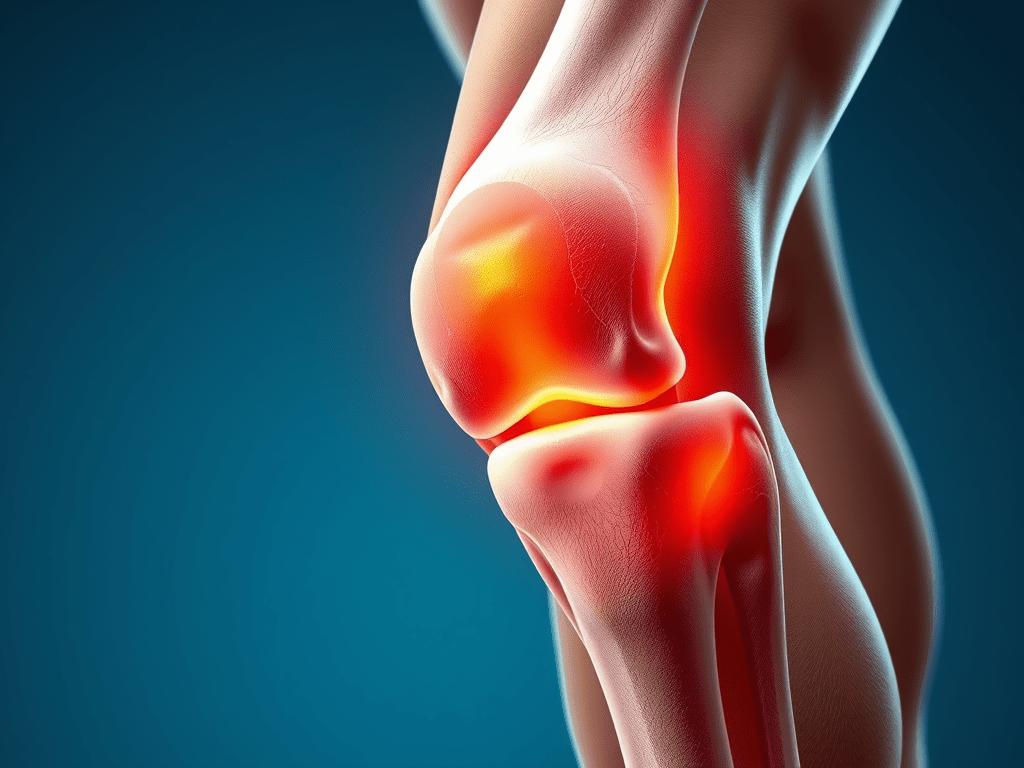
A 2010 study reported that 40% of individuals over age 70 have knee osteoarthritis. If 40% of people had something, how would we view it?
We might say it is “common.”
The point is that pain is a “normal” and “common” part of the human experience. As Wesley says in The Princess Bride, “Life is pain, Highness. Anyone who says differently is selling something.” We can all attest there are plenty of businesses selling products promising complete resolution of pain. We have only to fact-check this against our own experience and those of loved ones to know that sometimes pain persists despite our best efforts.
But that doesn’t mean we aren’t still trying to improve the treatments we offer, and it doesn’t mean we can’t do something about it. In considering any painful condition, I find the following questions helpful:
- Is my pain tolerable?
- Is my function acceptable?
- How willing am I to use a treatment to improve my condition?
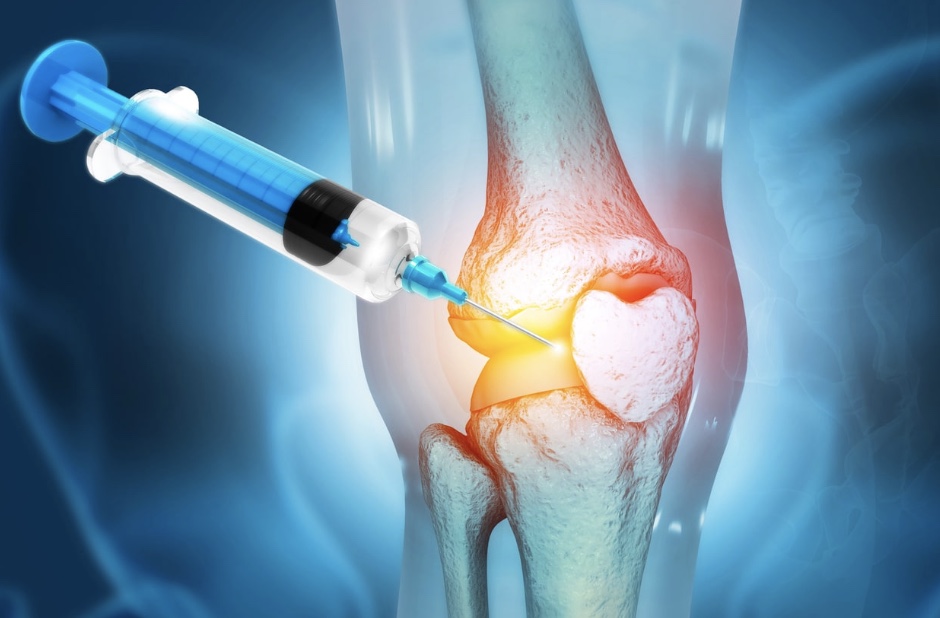
These questions become particularly pertinent if we are considering surgery. If the answer to these questions is “no,” “no,” and “VERY!” then surgery becomes a viable option. However, we have to be careful when answering because surgical outcomes are not completely predictable, and we cannot go back and “un-operate” on someone, any more than Mr. Incredible can “un-punch” somebody. Each treatment carries its own risks. Some of these include invasiveness, expense, and rehab time.
An old cowboy friend gave me some sage advice after struggling to repair a fence. Contemplating a somewhat tangled mess of wire and wood that, while not beautiful, was keeping the cows in the pasture, he packed up his gear and stated, “Well, the enemy of ‘good enough’ is ‘better.’” He recognized that continuing to push for a perfect fence could undo all he had accomplished that day and leave him worse off than he started.
For degenerative diseases, a return to a permanent, completely pain-free state is probably not realistic, and treatment goals revolve around symptom management and maintaining function. We may have to adjust our expectations to accept an “improvement in pain” scenario and modify our activities. This can be a healthier viewpoint; if we continue to shoot for a pain-free goal, we expose ourselves to riskier, more expensive, and more invasive treatments, chasing perfection when our current state may already be acceptable.
What does a state of “modified activity” look like? It may look like bowing out of the half-marathon to focus on the 10K. Maybe it is a change from doing jazzercise to using old Richard Simmons videos (of which I am a huge fan, by the way). Instead of limping those thirty minutes of walking, we make them more manageable by rocking a stylish cane. In most cases, we can get just as good a workout and reap the same benefits with a slight shift away from painful activities to those that are more comfortable, and we can do it without procedures that break the skin.
To be clear, I am not advocating against surgery when appropriate. I have encouraged people to proceed with a joint replacement or arthroscopy when those three questions were all aligned. What I am advocating for is a broader view of pain’s role in our lives. Pain from degenerative conditions is part of the human experience, and if we can thrive without getting new parts or scars, we should do so.
References:
- Martin BI, Tosteson ANA, Lurie JD, et al. Variation in the Care of Surgical Conditions: Spinal Stenosis: A Dartmouth Atlas of Health Care Series [Internet]. Lebanon (NH): The Dartmouth Institute for Health Policy and Clinical Practice; 2014 Oct 28. Back pain in the United States. Available from: https://www.ncbi.nlm.nih.gov/books/NBK586768/.
- Michael JW, Schlüter-Brust KU, Eysel P. The epidemiology, etiology, diagnosis, and treatment of osteoarthritis of the knee. Dtsch Arztebl Int. 2010 Mar;107(9):152-62.
- Tenny S, Boktor SW. Incidence. [Updated 2023 Apr 10]. In: StatPearls [Internet]. Treasure Island (FL): StatPearls Publishing; 2025 Jan-. Available from: https://www.ncbi.nlm.nih.gov/books/NBK430746/.





 Musculoskeletal Pain Blog
Leave a comment