The next time you visit a pharmacy, take a moment and contemplate the vast rows of clean white bottles lining the shelves. Consider their potential benefits. Then ponder their potential complications. Think of what is said every time a new medication is advertised on TV: “If you experience bloating, lightheadedness, dizziness, constipation, chest pain, shortness of breath, hair growth, hair loss, loss of teeth, depression, insomnia, growth of hooves, difficulty with mathematics, or relationship troubles, please consult your doctor.” It makes you wonder who would ever take something that could potentially do all those things!
Now consider a medicine with the following side effects: soreness, fatigue, possible injury, and sweating. This medicine can be taken anywhere at any time. It has the potential to effectively treat or prevent the following conditions: anxiety, depression, obesity, diabetes, hypertension, irritable bowel syndrome, cancer, chronic fatigue, substance addiction, osteoporosis, osteoarthritis, and chronic pain.
And…it is free.
Ladies and gentlemen, this is exercise.
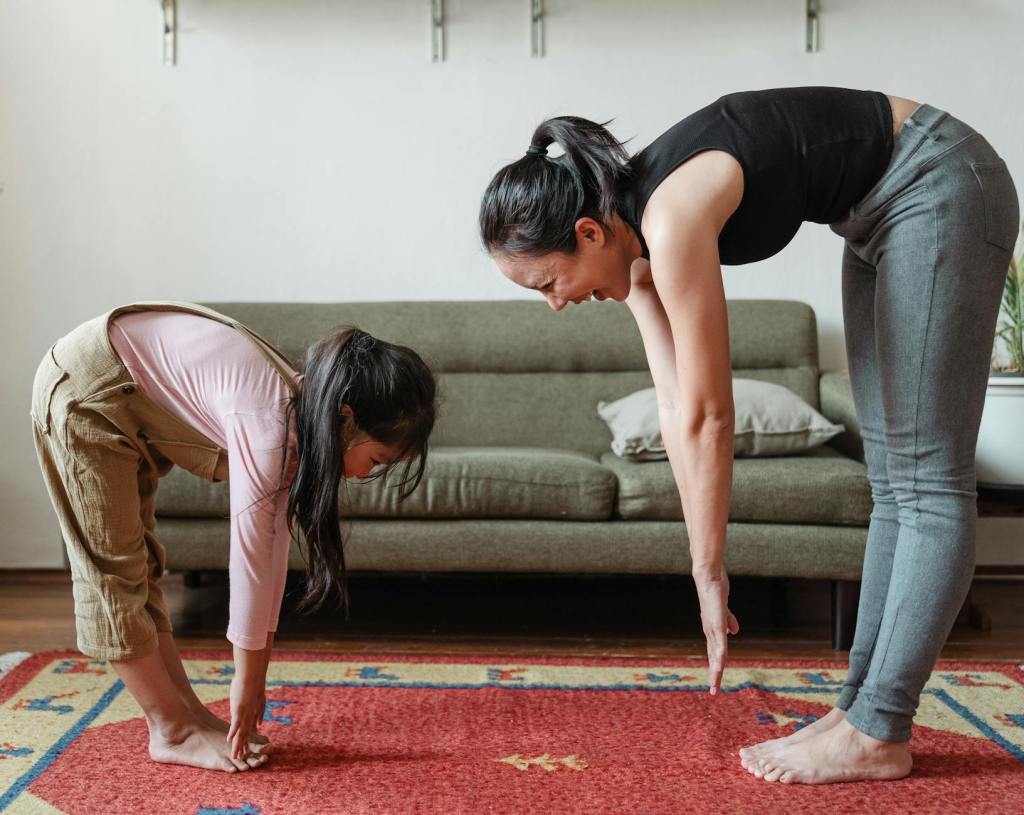
There is perhaps no more potent medicine for chronic musculoskeletal pain than regular exercise. It improves blood flow, strengthens muscle, and releases endorphins for a pleasurable experience. (This may be experienced afterwards, not during. Many of us do not find the middle of a 5K particularly pleasurable.) There is also something valuable about an activity we do for ourselves; it increases a sense of self-worth, capability, and grit. In short, we just feel better when we exercise.
But what is exercise? The National Institutes of Health provide the following definition: “Exercise is physical activity that is planned, structured, repetitive, and purposive in the sense that improvement or maintenance of one or more components of physical fitness is an objective.” This separates it from physical activity performed during employment, regardless of the work’s intensity. Exercise entails not only the activity but the mindset with which it is performed.
Let’s address some common barriers to exercise and suggest ways to approach these difficulties.
Barrier #1: Time
All of us have a limited number of hours in the day and a steadily increasing list of things to accomplish, leaving little time for, as Zorro would say, “sweaty pursuits.” Thankfully, exercise as medicine is extremely forgiving. Scheduling and dosage can be variable and still reap vast benefits.
Most medical societies recommend 150 minutes of moderate physical activity weekly. This equates to 30 minutes of sweat-inducing, hard breathing exercise five days a week.
Or does it?
Research shows it doesn’t matter when this exercise happens. A person could perform all 150 minutes on the same day (weekend warrior style) or whatever 150/7 minutes is per day and get the same benefit. Also, even though 150 minutes (or more) is optimal, lower doses of exercise are still really helpful. We used to preach about 10,000 steps each day, but even just 4,000 steps can produce results. Only have ten minutes at work? No sweat! (Well, maybe a little.) Doing a ten-minute circuit improves focus, boosts metabolism, and gets some of the cardiovascular benefits we are looking for. It seems the simple act of moving is the most important thing.
Barrier #2: Cost
Many feel they need to purchase expensive workout equipment or a gym membership to get in shape. For some, this is motivation: if I pay a certain amount for something, I am more likely to try to get my money’s worth out of it. If that describes you, I am all for motivation and don’t want to dissuade you from what works. However, it’s technically not necessary. We can get just as awesome a workout on our kids’ playground equipment as a top-notch home gym. Want to lift weights? Channel your inner Rocky Balboa and swing a sledgehammer, lift cinder blocks, or tote bags of dog food. Our bodies don’t know the difference.
What about jogging? Some believe their environment makes it impossible for them to get out of the house and run like they wish they could. Did you know Nelson Mandela ran seven miles a day – in his prison cell? That’s right; not in an exercise yard, not on a treadmill, just plain old jogging in place. Prefer Richard Simmons but lament he’s no longer making videos? Good thing it’s all on YouTube for free, from the comfort of your living room. We can access a tremendous amount of resistance and cardio benefit from resources that are readily available and don’t cost a penny.
Barrier #3: Pain
I understand the concern: if it hurts, why would I want to do it? Aren’t I just making things worse? Not necessarily. Startling research on recreational runners reveals they experience no greater incidence of knee osteoarthritis than the non-running population. The same has been shown for exercisers in other sports; in the absence of injury (and presence of good biomechanics), exercise doesn’t generally cause wear-and-tear changes. Doctors may have said this in the past, but frankly, they were wrong. The research just doesn’t bear it out. There can be some pain with exercise, but I promise it is not making the degenerative condition worse.
Sadly, sometimes pain remains. However, another measure of improvement is better function and strength. Consider a woman starting a walking program because her knees hurt, and she can only walk about three blocks. With consistent effort and some modification to her speed, she finds that after three months, she has doubled her walking distance to six blocks. After a year, she is up to ten blocks. However, she is discouraged because her pain remains the same. Would we not agree it is better to walk ten blocks rather than three with the same pain level? This increased ability allows her to go to the mall with friends, complete her shopping, and watch her children’s ballgames. Although the pain has not changed, function has increased significantly.
In short, and to understate it completely, exercise is good. So much research shows minimal activity can improve our health, it seems a higher power is screaming down at us, “Just move, PLEASE!” Movement increases our functionality and can lessen our pain. Let’s resolve to be consistent movers from now on.
References:
- Caspersen CJ, Powell KE, Christenson GM. Physical activity, exercise, and physical fitness: definitions and distinctions for health-related research. Public Health Rep. 1985 Mar-Apr;100(2):126-31.
- Ahmadi MN, Rezende LFM, Ferrari G, Del Pozo Cruz B, Lee IM, Stamatakis E. Do the associations of daily steps with mortality and incident cardiovascular disease differ by sedentary time levels? A device-based cohort study. Br J Sports Med. 2024 Mar 8;58(5):261-268.






Leave a Reply