
King among non-invasive approaches for musculoskeletal pain is physical therapy (PT). Consider this option like a tune-up; if the machine is not running well, it likely needs to have some bolts tightened, rough spots smoothed out, and parts realigned.
A physical therapist’s job is to perform a thorough assessment of the body, identify areas of concern, and prescribe an individualized exercise program to address the issue. Sometimes he or she will also perform treatments with tools, needles, or hands to relax muscle spasm and decrease pain. It is very low risk, non-invasive, and high benefit. Most of the work can even be done at home or with the help of a friend. For those seeking to improve their pain with non-invasive interventions, PT is it.
History of Physical Therapy
Physical therapy practices were first introduced by Hippocrates in the fifth century B.C., mainly composed of water treatments. Similar techniques were found in Eastern and Egyptian medicine around the same time, using massage and movement to bring the body into balance.
The modern era of physical therapy was born around the turn of the twentieth century. Soldiers suffering from World War I injuries or polio survivors needed specialists to direct their rehabilitation. Since then, physical therapy has moved out of the hospital and into the community, becoming more specialized for specific patients.
How Does Physical Therapy Work?
The usual PT prescription is a series of exercises that takes between 10-20 minutes to complete, often twice daily. Some soreness can be expected when a person first starts the regimen. I usually counsel people they will need to do PT for about one-fourth to one-third of the time they have been having pain before the treatment starts to work. Persistence and consistency are key. We must put in the work to see the results.
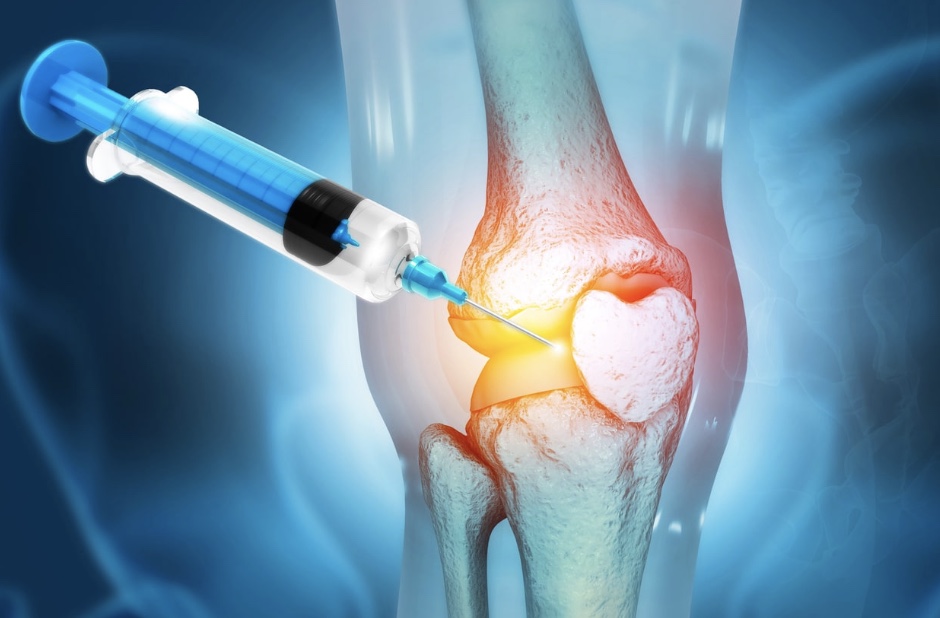
PT is also an outstanding adjunct (meaning “an extra thing to do,” as Winnie the Pooh might say) to other treatments. A study looking at PT plus knee joint injection for osteoarthritis showed the combination performed better than either treatment alone. However, improvements were impacted by the severity of arthritis; the more advanced the disease, the less improvement patients experienced.
Pool therapy may add an additional layer of benefit. The theory is that exercising in water decreases joint loading and improves tolerability. The warm water also loosens degenerative joints and relaxes muscles, allowing a person to exercise more effectively. A 2022 research study revealed people who used aquatic therapy had improvements in knee pain, function, strength, and walking ability. I use this option for knee and hip osteoarthritis frequently.
PT has even shown superiority over some pain medications. An Italian study in 2022 demonstrated PT was more effective than colchicine, which is used to treat gout. It also compares favorably to ibuprofen and acetaminophen.
PT for Active People
This is a common question I encounter: if a person is already performing a physically demanding job, why would PT be helpful? There are a couple reasons. As we discuss in the exercise post, purposivity really makes a difference. Exercising with the intent of strengthening muscles and improving pain is different from moving around to get a job done. When we work, we self-regulate our activity. If one body part gets too tired, we shift the stress to another body part to accomplish the task. In physical therapy, we can’t cheat like that. If we stick to the program, we focus our exercise on a specific body part to achieve the desired result.
Also, physical therapy is about doing the right kind of exercise. I once cared for a gifted, very fast athlete who was constantly struggling with his hamstrings (muscles in the back of the thighs). He had gone through multiple rehab programs, but he kept getting injured. A patient physical therapist examined him and found when he was extending his hip (bringing the leg behind his body), his gluteal (buttock) muscle wasn’t firing. He was only using his hamstrings to run, causing overload and overuse. Once he consciously fired his glutes, he not only stopped being injured, but he also ran faster.
Physical therapy can non-invasively solve problems that took years to develop. When something starts to hurt, I always look to physical therapy as a first-line option.
References:
- Liao CD, Chen HC, Huang MH, Liou TH, Lin CL, Huang SW. Comparative Efficacy of Intra-Articular Injection, Physical Therapy, and Combined Treatments on Pain, Function, and Sarcopenia Indices in Knee Osteoarthritis: A Network Meta-Analysis of Randomized Controlled Trials. Int J Mol Sci. 2023 Mar 23;24(7):6078.
- Ma J, Chen X, Xin J, Niu X, Liu Z, Zhao Q. Overall treatment effects of aquatic physical therapy in knee osteoarthritis: a systematic review and meta-analysis. J Orthop Surg Res. 2022 Mar 28;17(1):190.
- Cioroianu GO, Florescu A, Mușetescu AE, Sas TN, Rogoveanu OC. Colchicine versus Physical Therapy in Knee Osteoarthritis. Life (Basel). 2022 Aug 24;12(9):1297.






Leave a Reply