
When people are asked what their goals are for treating musculoskeletal conditions, they often respond, “To be pain-free.” This is logical. Pain is uncomfortable. It can represent a deviation from our norm. It makes us move and behave differently, ruining previously enjoyable activities. Naturally, we want to get rid of pain.
In many cases, to be pain-free represents a reasonable, achievable goal. If we break an arm, strain a muscle, or sprain a ligament, our bodies usually heal those kinds of (using doctor-speak) “acute” injuries. We have a wonderful capacity to repair what is broken and return to a state devoid of pain.
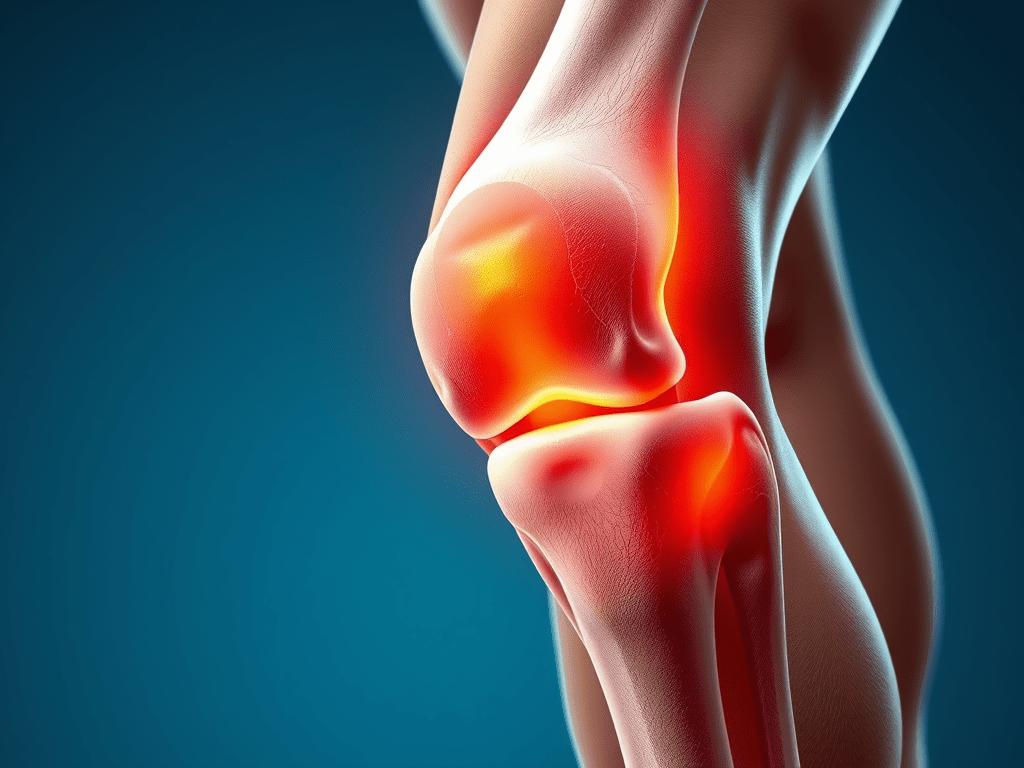
However, other diseases like osteoarthritis (sometimes called “bony arthritis”) may be different. We sometimes refer to such conditions as “degenerative.” Terms like “wear-and-tear” may be used to explain the cause, but that doesn’t tell the whole story. Some are associated with prior injury, suboptimal health practices, or genetics. Joint and muscle degeneration is extremely complex, and the more we learn about it, the more pieces we discover in the puzzle box.
Osteoarthritis and other degenerative conditions are subjects of innumerable research studies, and to understand the approach to treatment, it is important to understand how experiments are performed and interpreted.
Researchers find people (called subjects) who have a condition and break them into two groups: those who receive Treatment A (for Amazing) and those who receive Placebo. The placebo equates to a sugar pill or some other meaningless procedure, often called a “sham” in medical literature. Scientists then measure subjects’ responses in many ways, including changes in pain, movement quality, and satisfaction with the treatment.
In an example of a study in which the treatment is successful, Treatment A brings pain scores down from 10/10 to 3/10, whereas those who get Placebo go from 10/10 to 6/10. Movement scores improve from 2/10 to 7/10 with Treatment A and from 2/10 to only 4/10 in Placebo. Lastly, those who received Treatment A were 85% satisfied with their improvement compared to 45% of those who received Placebo.
Wait a minute. Am I saying those who got Treatment A still had 3/10 pain when all was said and done? Their biomechanics didn’t go back to perfect? Not all of them were satisfied?
Yep, that’s what I’m saying. This is a common theme in studies of degenerative conditions. Although good treatments bring statistically meaningful improvement, that doesn’t mean they completely resolve the problem. It just means they make things better than if they were left to chance.
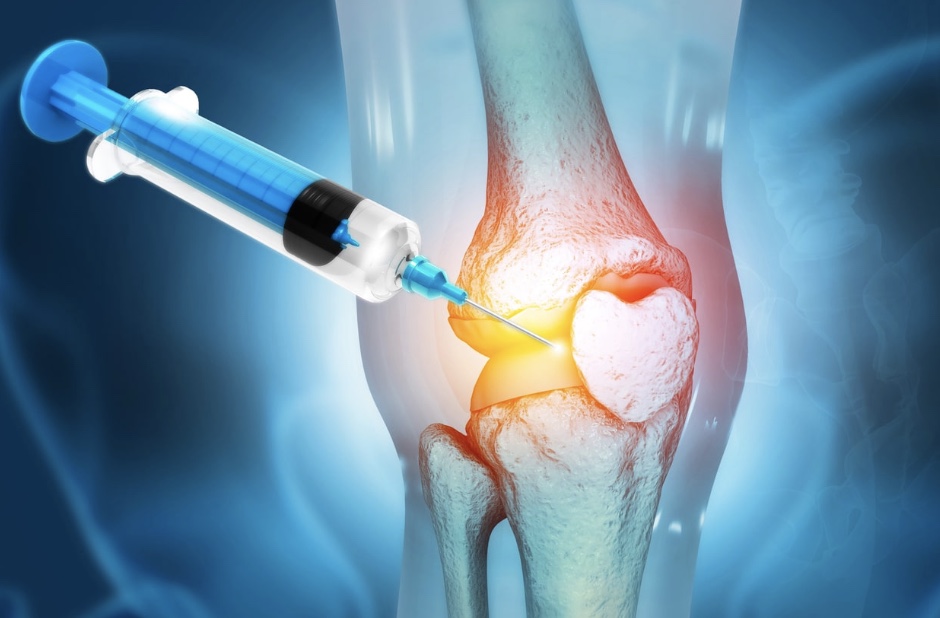
Also, notice subjects who used Placebo also got better, just not as good as those who received Treatment A. At first glance, this appears nonsensical; researchers didn’t do anything that should have helped, but the condition improved anyway. This reveals pain is complicated. Perhaps people felt better because they were doing something, anything, to improve their pain. Maybe the placebo treatment (an action like inserting a needle into a tendon, injecting saline into a joint, or acupuncture) actually did initiate a healing process, and we discovered a new kind of therapy. Maybe just being involved in the research experience was beneficial to the subject. This does not prove pain is “all in our heads,” but it does suggest it may not all be in the injured area, and we should keep our minds open about what can help.
To summarize, even our best treatments may not completely cure a condition, and they may not work for everyone. This is why it is important to consider our options and be willing to pivot if a treatment is ineffective.
References:
- Martin BI, Tosteson ANA, Lurie JD, et al. Variation in the Care of Surgical Conditions: Spinal Stenosis: A Dartmouth Atlas of Health Care Series [Internet]. Lebanon (NH): The Dartmouth Institute for Health Policy and Clinical Practice; 2014 Oct 28. Back pain in the United States. Available from: https://www.ncbi.nlm.nih.gov/books/NBK586768/.
- Michael JW, Schlüter-Brust KU, Eysel P. The epidemiology, etiology, diagnosis, and treatment of osteoarthritis of the knee. Dtsch Arztebl Int. 2010 Mar;107(9):152-62.
- Tenny S, Boktor SW. Incidence. [Updated 2023 Apr 10]. In: StatPearls [Internet]. Treasure Island (FL): StatPearls Publishing; 2025 Jan-. Available from: https://www.ncbi.nlm.nih.gov/books/NBK430746/.







Leave a Reply